


The Thrill of the Chase and Cognitive Biases
The allure of gambling, particularly at a casino table, is deeply rooted in the human psychology of anticipation and potential reward. The very act of placing a bet triggers a cascade of neurochemical responses, most notably dopamine, which is associated with pleasure and motivation. This surge creates a powerful incentive to continue playing, even when faced with unfavorable odds, and for those seeking a vast selection of online entertainment, slots temple canada offers an impressive array of options. The “thrill of the chase” is more than just a metaphor; it’s a biological imperative that can drive behavior towards seeking out these stimulating experiences.
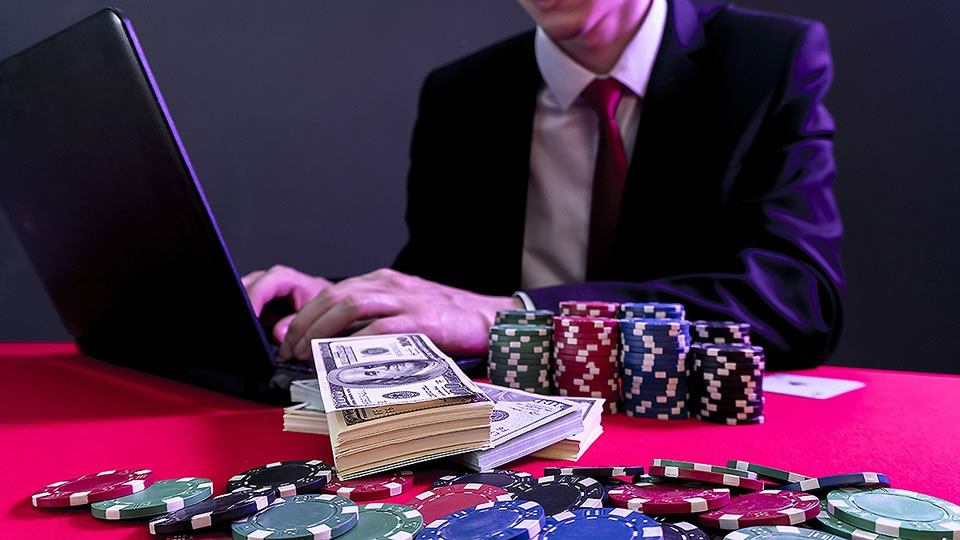
Cognitive biases play a significant role in how players perceive their chances of winning. The gambler’s fallacy, for instance, is the mistaken belief that if something happens more frequently than normal during a given period, it will happen less frequently in the future, or that if something happens less frequently than normal during a given period, it will happen more frequently in the future. This flawed reasoning can lead players to make irrational decisions, believing that a string of losses is bound to be followed by a win, or vice versa. Understanding these biases is crucial for a more objective approach to casino gaming.
Emotional States and Decision-Making at the Table
A player’s emotional state can profoundly influence their decision-making at a casino table. Excitement, frustration, or even a sense of elation after a win can cloud judgment. When players are experiencing strong emotions, they are more likely to deviate from a pre-determined strategy, chase losses, or overextend their betting. Maintaining emotional control is therefore a cornerstone of responsible gambling and can help players preserve their bankroll and enjoy the experience more sustainably.
Conversely, a calm and focused mindset can lead to more strategic play. Players who can detach themselves from the immediate outcome and focus on the probabilities and their chosen approach are often better equipped to navigate the inherent uncertainties of casino games. This emotional regulation is not always easy to achieve, especially given the high-stakes environment and the constant stimulation of the casino floor, where the anticipation of winning is ever-present.
The Illusion of Control and Skill in Games of Chance
Many casino games, while largely based on chance, can foster an “illusion of control” in players. This psychological phenomenon leads individuals to believe they have more influence over the outcome than they actually do. For example, a player might develop rituals or superstitions, like blowing on dice before a roll, believing these actions will affect the result. While these behaviors can add to the entertainment value, they do not alter the fundamental probabilities of the game.
This perceived control can be particularly strong in games that involve some element of decision-making, even if those decisions are ultimately inconsequential to the overall odds. The mental engagement of choosing a card, placing a chip, or spinning a wheel can create a sense of agency. Recognizing that games like roulette or slot machines are primarily games of chance, where outcomes are random, is essential for managing expectations and avoiding disappointment, a core aspect of the psychology of winning, or indeed, of playing.
The Role of Environment and Social Factors
The casino environment itself is meticulously designed to enhance the psychological experience of gambling. Dim lighting, the absence of clocks, and the constant hum of activity all contribute to an immersive atmosphere that can make time seem to disappear. The visual and auditory cues, like the ringing of slot machines and the chatter of people, are intended to heighten excitement and create a sense of abundance and opportunity, further fueling the desire to play and potentially win.
Social factors also play a crucial role. Playing with friends or observing other players can influence an individual’s behavior. The shared experience of wins and losses, the camaraderie, and even the competitive spirit can amplify the psychological impact of gambling. This social reinforcement can make the pursuit of winning at the casino table a more engaging and compelling activity for many, intertwining personal stakes with group dynamics.

SlotsTemple: A Hub for Slot Game Engagement
SlotsTemple offers an expansive universe of over 16,000 slot games, catering to a diverse range of player preferences. This vast selection ensures that whether a player is seeking cutting-edge innovation or the comfort of classic favourites, there is always something new and exciting to discover. The platform’s design prioritizes user-friendliness, with intuitive navigation that allows players to easily browse, select, and launch their preferred titles, facilitating a seamless and enjoyable gaming journey.
The psychological appeal of the slot machine experience is amplified at SlotsTemple through its sheer variety and accessibility. While the core mechanics of slot games rely on chance, the visual and auditory elements, coupled with the promise of potential bonuses and jackpots, create a compelling engagement. Players can immerse themselves in diverse themes and gameplay mechanics, allowing for a personalized and exciting pursuit of virtual wins, all within a secure and accessible online environment.
